

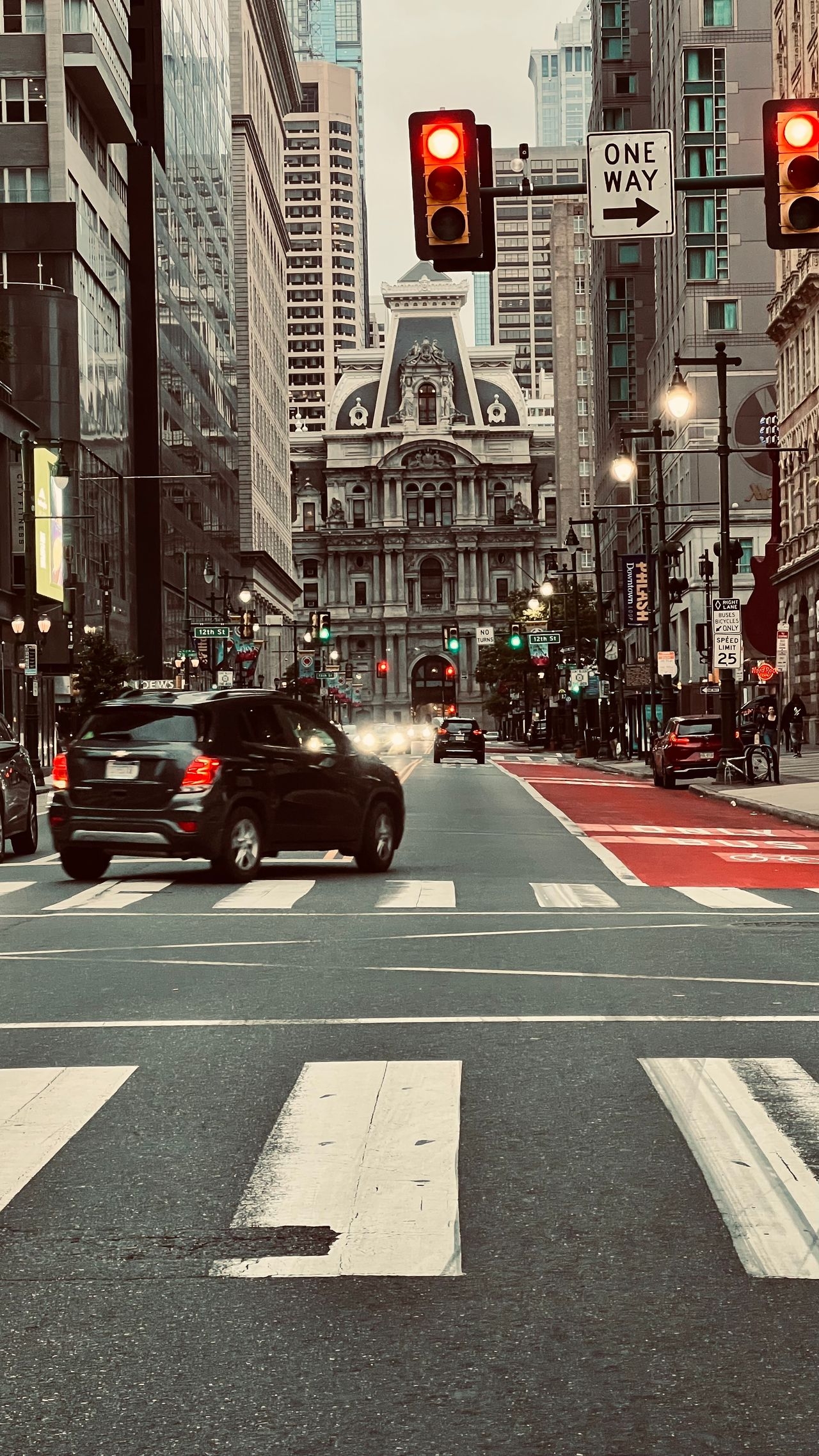
Being hit by a car while walking in Philadelphia can change everything in a moment. One minute, you may be crossing the street, heading to work, walking to a bus stop or train station, leaving a store, or moving through a busy intersection. The next, you may be dealing with severe pain, emergency medical care, police reports, insurance questions, and uncertainty about what happens next.
Pedestrian accidents are often devastating because the person walking has little protection from the force of a vehicle. Even a lower-speed collision can cause serious injuries, including broken bones, head trauma, back and neck injuries, spinal cord damage, internal injuries, or long-term mobility problems.
After a crash, many people assume the driver is the only person who could be responsible. Sometimes that is true. But in other cases, the full story is more complicated. A pedestrian accident claim may require a careful investigation into the driver, the vehicle, the roadway, a business, a property owner, or another party whose conduct contributed to the crash.
At Spotlight Justice LLC, we understand how overwhelming this moment can feel. Injured pedestrians and their families deserve clear answers about what happened, who may be responsible, and what steps can help protect their rights.
Was the Driver Careless Behind the Wheel?
In many pedestrian accident cases, the first question is whether the driver acted carelessly. Drivers have a responsibility to watch for pedestrians, obey traffic signals, drive at a safe speed, and remain alert behind the wheel.
A driver’s conduct should be closely reviewed when the crash involves:
- Speeding: A speeding driver has less time to stop and can cause more severe injuries.
- Distracted driving: Texting, looking at a GPS, eating, or failing to watch the road can prevent a driver from seeing a pedestrian in time.
- Failure to yield: A driver can put pedestrians in danger by failing to yield at a crosswalk, intersection, parking lot entrance, or turn lane.
- Impaired driving: Alcohol, drugs, or certain medications can affect reaction time, judgment, and awareness.
- Unsafe turns: Pedestrians are often struck when a driver turns left or right without carefully checking the crosswalk.
- Aggressive driving: Tailgating, weaving through traffic, running lights, or rushing through intersections can put pedestrians at serious risk.
Even when a driver says they “didn’t see” the pedestrian, that does not end the inquiry. The question is often whether the driver should have seen the person walking if they had been paying proper attention.
Was the Driver Working When They Hit You?
If the driver was working at the time of the crash, the case can involve more than an individual driver. Philadelphia roads are filled with delivery vans, rideshare vehicles, work trucks, buses, freight vehicles, and company cars. When a pedestrian is struck by someone driving for work, the driver’s employer or another business entity may need to be investigated.
This matters because commercial cases often involve additional insurance coverage, business records, and evidence that may not exist in an individual-driver claim. Those records can include delivery logs, route information, driver schedules, maintenance records, hiring practices, and company safety policies.
A company can be responsible if the driver was acting within the scope of employment when the collision happened. In some cases, a business may also bear responsibility for negligent hiring, poor training, unsafe scheduling practices, or inadequate vehicle maintenance.
These details are not always obvious at the scene. A driver may appear to be a private motorist even though they were making a delivery, transporting a passenger, or performing work duties at the time of the crash. That is one reason early investigation matters.
Was a Rideshare or Delivery App Involved?
Rideshare and delivery app crashes can add another layer to the investigation. The driver may have been logged into an app, waiting for a ride request, transporting a passenger, picking up food, or making a delivery. Each situation can affect what insurance coverage applies and which parties should be reviewed.
These cases often require a close look at app activity, trip status, timestamps, location data, communications, and insurance coverage. For an injured pedestrian or family member, these details can be difficult to uncover without legal help, especially when companies do not voluntarily provide information unless it is properly requested and preserved.
Did an Unsafe Street, Work Zone, or Property Condition Contribute?
Not every pedestrian accident is caused only by driver conduct. Sometimes, unsafe conditions in the surrounding area contribute to the crash.
A pedestrian accident investigation can involve:
- Poor lighting: Inadequate lighting near crosswalks, parking lots, sidewalks, or building entrances can make pedestrians harder to see.
- Blocked sightlines: Construction equipment, parked vehicles, overgrown landscaping, signage, or barriers can prevent drivers and pedestrians from seeing each other.
- Unsafe construction zones: Temporary walkways, confusing detours, missing signage, and poorly marked work areas can create hazards for pedestrians.
- Defective traffic signals: Malfunctioning pedestrian signals, unclear timing, or signal failures can contribute to a crash.
- Dangerous property entrances: Parking lot exits, garage driveways, loading zones, and business entrances can create pedestrian risks if not properly designed or maintained.
If a property owner, contractor, maintenance company, or other entity created or failed to correct a dangerous condition, their role should be reviewed carefully. If a government entity or public roadway condition is involved, special rules and shorter notice requirements can apply, which makes prompt legal review especially important.
These cases can become more complex because the scene can change quickly. Construction setups move, lighting conditions may look different later, and temporary hazards may disappear before anyone documents them.
Did a Vehicle Problem Contribute to the Crash?
In some cases, the vehicle itself should be examined. Brake failure, tire problems, steering issues, defective lights, or other mechanical problems can contribute to a pedestrian crash.
If a vehicle was poorly maintained, the owner or maintenance provider may need to be investigated. If a vehicle part failed because of a defect, a product liability claim may also need to be considered. Preserving the vehicle and reviewing maintenance history can be critical in serious injury cases.
What if the Insurance Company Blames You?
After a pedestrian accident, an insurance company may argue that the person walking was partly or fully responsible. They may claim the pedestrian crossed outside a crosswalk, entered the road suddenly, ignored a signal, was distracted, or was wearing dark clothing.
Those arguments should not be accepted without careful review. Pedestrian accidents happen quickly, and early assumptions can be incomplete or wrong. Police reports, witness statements, video footage, traffic camera evidence, vehicle damage, skid marks, lighting conditions, and medical records can all help clarify what happened.
Being accused of partial fault does not automatically mean you have no claim. Under Pennsylvania’s comparative negligence rule, an injured person can still recover compensation if their share of fault is not greater than the fault of the defendant or defendants. If the injured person is found partly responsible, any compensation is reduced by that percentage of fault.
That is why the details matter. Liability can depend on where the pedestrian was, what the driver saw or should have seen, how fast the vehicle was moving, whether the driver was distracted, and whether other hazards contributed to the crash.
What Evidence Can Help Show What Really Happened?
When fault is disputed, evidence often makes the difference. Important evidence often includes:
- Police reports: These can identify the driver, witnesses, location, citations, and initial observations.
- Photos and videos: Images of the scene, vehicle damage, injuries, traffic signals, crosswalks, and lighting can help show what happened.
- Surveillance footage: Nearby stores, homes, apartment buildings, buses, traffic cameras, or dashcams may have captured the crash.
- Witness statements: People who saw the crash can provide details that are not included in the police report.
- Medical records: Treatment records help connect injuries to the crash and document the severity of harm.
- Employment and income records: These records can show missed work, reduced earning capacity, and the financial impact of the injury.
- Future care documentation: Serious injuries can require therapy, surgery, assistive devices, home modifications, or ongoing medical care.
Because evidence can be lost quickly, it is important to act before video is erased, vehicles are repaired, witnesses become harder to locate, or the scene changes. Most Pennsylvania personal injury lawsuits must be filed within two years, but certain claims can involve shorter notice requirements. Waiting too long can make it harder to preserve the claim.
At Spotlight Justice LLC, Founding and Managing Attorney Dena Young takes a hands-on approach to serious injury cases, with careful attention to the evidence, liability issues, and case-specific facts that can shape the claim from the beginning.
What if Your Injuries Affect More Than the First Hospital Visit?
A pedestrian accident claim should account for the full impact of the injury, not just the immediate medical bills. Serious injuries can affect a person’s work, independence, family responsibilities, emotional health, and future medical needs.
Some people need months of treatment. Others may never return to the same level of mobility, employment, or daily function. A traumatic brain injury, spinal cord injury, severe fracture, or internal injury can affect the rest of a person’s life.
That is why it is important to look beyond the first insurance conversation. A quick settlement may not reflect the true cost of future care, lost income, pain, emotional trauma, or long-term limitations.
How Can a Philadelphia Pedestrian Accident Lawyer Protect Your Claim?
A Philadelphia pedestrian accident lawyer can help investigate the crash, identify potentially responsible parties, preserve evidence, communicate with insurance companies, and evaluate the claim.
In serious injury cases, legal guidance is especially important when there are multiple possible defendants, commercial vehicles, disputed fault, missing video footage, catastrophic injuries, or a wrongful death. The goal is not just to prove that a crash happened. The goal is to understand why it happened, who is legally responsible, and how the injury has changed the person’s life.
At Spotlight Justice LLC, we understand that a serious pedestrian accident can affect every part of a person’s life. Our goal is to help injured people and families move forward with clear guidance, careful preparation, and a claim that reflects what they have lost.
Contact Spotlight Justice LLC After a Serious Pedestrian Accident in Philadelphia
If you or someone you love was hit by a car in Philadelphia and suffered serious injuries, you deserve more than a quick insurance review. You deserve clear answers about what happened, who should be held accountable, and how the injuries may affect your future.
At Spotlight Justice LLC, we help injured people and families understand their rights after life-changing pedestrian accidents. Our firm investigates what happened, identifies potentially responsible parties, protects key evidence, and pursues accountability for the losses the injury has caused.
From our Conshohocken office, we represent clients in Philadelphia, Montgomery, Delaware, and Bucks Counties, as well as serious injury clients throughout Pennsylvania. Contact Spotlight Justice LLC today for a free initial consultation.
Disclaimer: The articles on this blog are for informative purposes only and are no substitute for legal advice or an attorney-client relationship. If you are seeking legal advice, please contact our law firm directly.